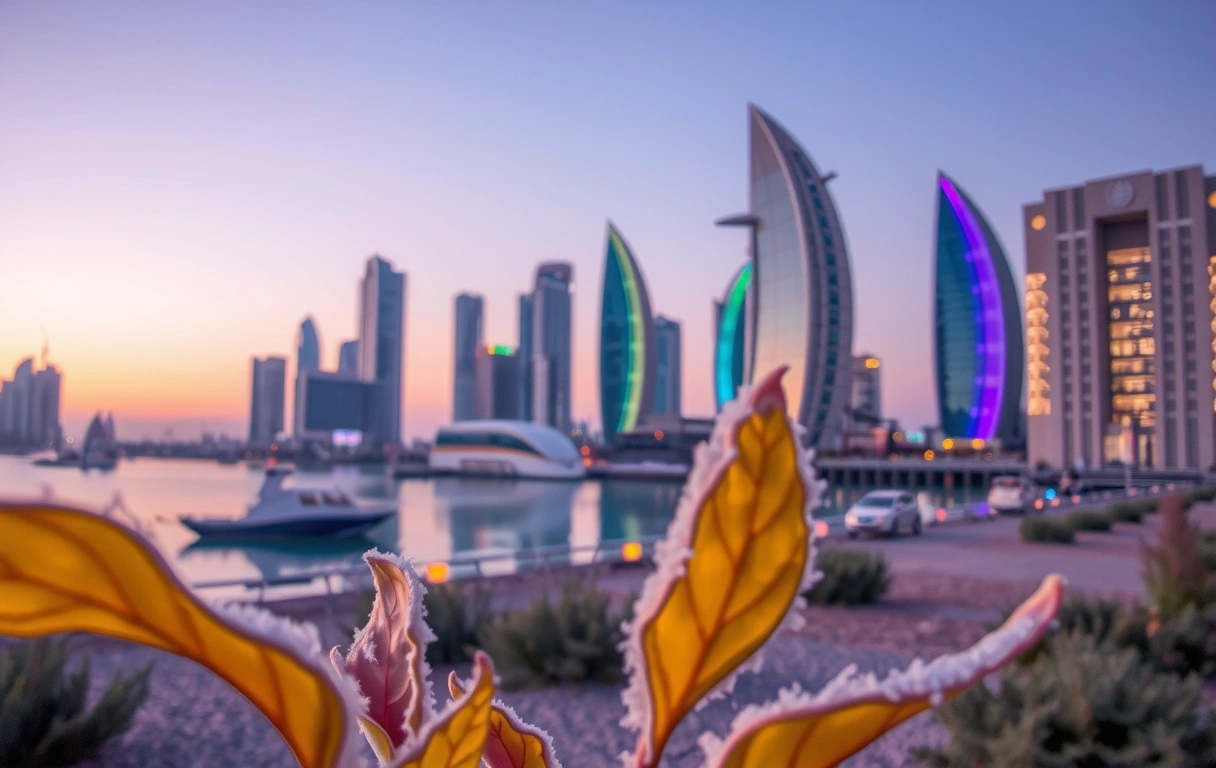
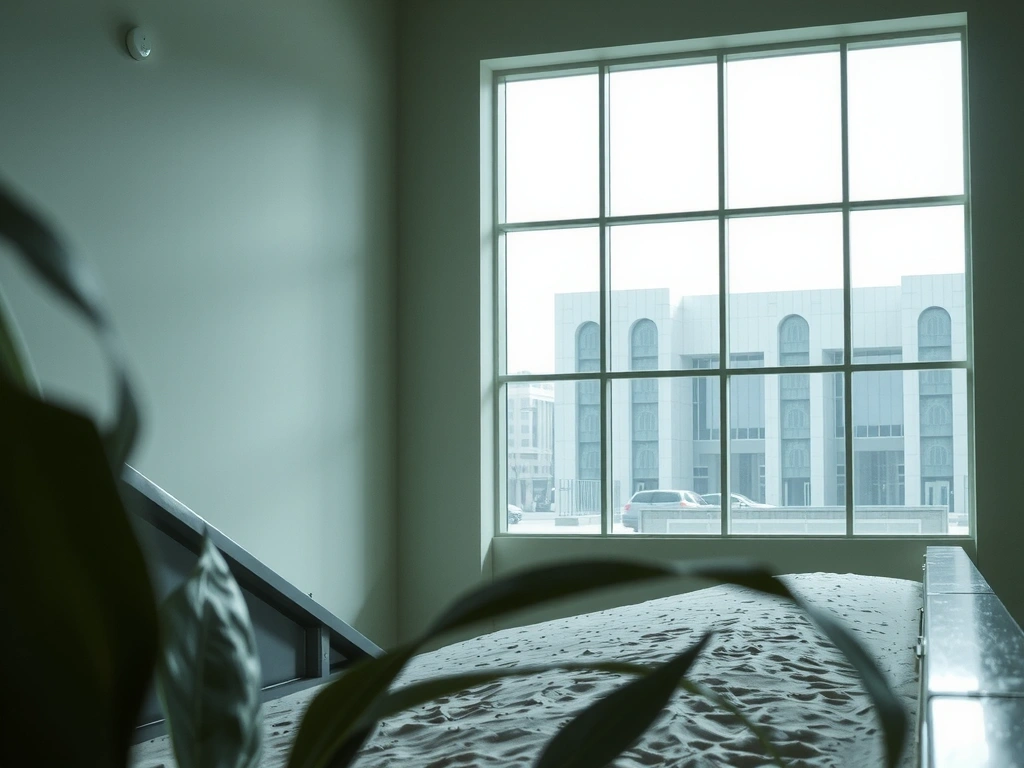
The connectivity pulse of Doha is dictated by its verticality. In the West Bay financial cluster, base stations are often positioned atop low-rise structures or mid-level terraces to direct signals toward pedestrian walkways. However, for those on upper-floor corporate suites, the 'antenna down-tilt' means you may be connecting to a cell miles away in Dafna rather than the one directly beneath your window.
Scenario Vignette: The West Bay Professional
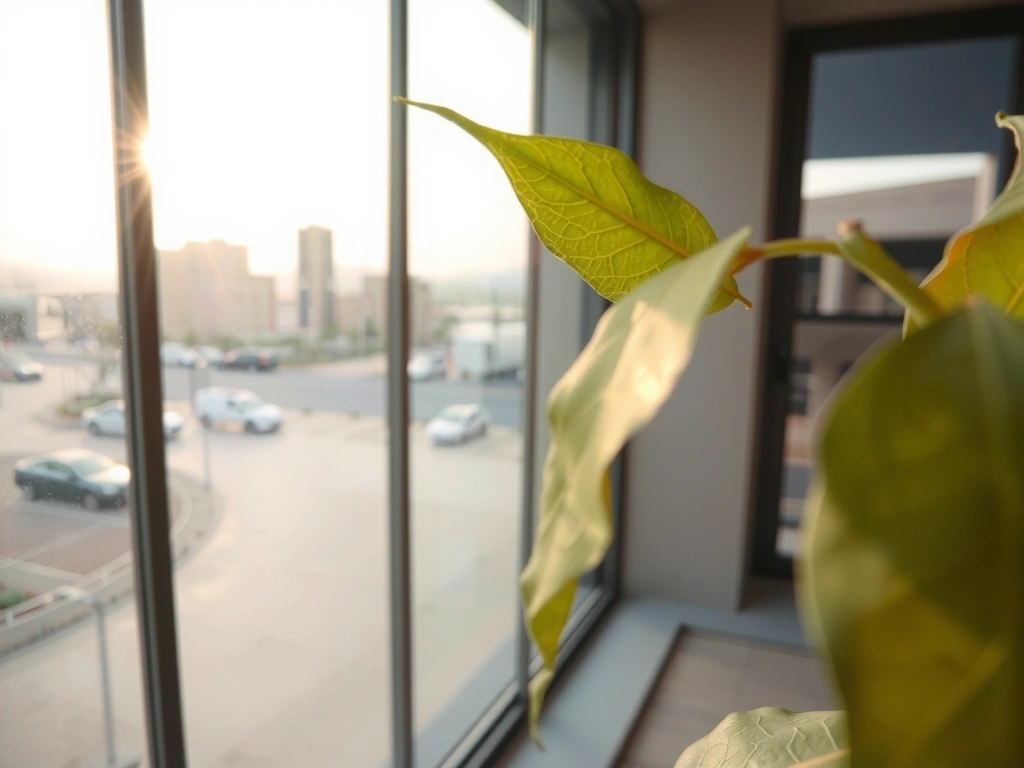
An expat architect conducts a 4K video walkthrough from the 42nd floor of a glass-walled tower. Despite 'full bars' showing on their iPhone, the session lags. The culprit? Signal reflection off the neighboring tower's K-Lite coated glass and the lack of an in-building DAS (Distributed Antenna System). The recommendation: Switching to 5G Home Broadband positioned 2 feet further from the window to reduce multipath interference.
The High-Density Trade-off Frame
Navigating Doha's 5G landscape requires an understanding of what we sacrifice for speed. In high-density districts, the network is robust but strained by sheer device volume.
01
Peak Capacity vs. Latency Spikes
During 18:00 - 20:00, expect latency to rise from 15ms to 45ms. Mitigation: Use fiber-backed Wi-Fi for gaming during these windows.
02
Indoor Speed vs. Outdoor Reliability
Deep indoors in Doha Malls, 5G can plummet by 70%. Mitigation: Look for ceiling-mounted small-cell repeaters near major retail nodes.
03
Battery Consumption vs. Bandwidth
Constant 5G hunting in older districts like Najma drains devices 20% faster. Mitigation: Manually lock to 4G when in known congestion zones.